Featured
Table of Contents
- – Recognizing EMDR Therapy: Just How It Functions
- – The Eight Phases of EMDR Therapy
- – Sylvia Lagosky
- – Accelerated Resolution Treatment: Fast-Track I...
- – EMDR Intensives: Concentrated Recovery in Comp...
- – Treating Anxiousness with EMDR and ART
- – Somatic Parts of Trauma-Focused Therapy
- – Picking Between EMDR and ART for Your Requirem...
- – What to Get Out Of Trauma-Focused Treatment
- – Finding Certified EMDR and ART Specialists
Trauma does not adhere to a predictable timeline for recovery. Typical talk treatment helps many individuals procedure challenging experiences, but some memories remain stubbornly resistant to conventional approaches. Eye Movement Desensitization and Reprocessing (EMDR) and Accelerated Resolution Treatment (ART) have actually become powerful options for individuals whose injury symptoms linger regardless of years of treatment. These evidence-based therapies provide paths to alleviation that can really feel incredibly faster than standard techniques, sometimes creating substantial changes in just a couple of sessions.

Recognizing EMDR Therapy: Just How It Functions
Trauma therapyEye Activity Desensitization and Reprocessing stands for a paradigm shift in injury treatment. Created by Francine Shapiro in the late 1980s, EMDR treatment operates the principle that distressing memories become "" stuck"" in the brain's processing system, maintaining their emotional charge and triggering power long after the initial occasion. Unlike standard treatment that counts mainly on spoken processing, EMDR utilizes bilateral excitement-- usually eye movements, faucets, or tones-- to help with the mind's all-natural healing devices.
The process entails remembering terrible memories while at the same time taking part in bilateral excitement. This dual focus appears to allow the mind to reprocess stuck memories, lowering their emotional intensity and incorporating them into wider life stories. Customers typically define the experience as seeing a movie of their injury that gradually sheds its power, changing from a natural experiencing again right into a farther recollection.
What makes EMDR particularly engaging is the substantial study sustaining its performance. The Globe Health And Wellness Organization, American Psychiatric Organization, and Division of Veterans Matters all acknowledge EMDR as an evidence-based treatment for injury and PTSD. Studies continually show that EMDR creates outcomes similar to or far better than typical trauma-focused cognitive behavior modification, usually in less sessions.
The Eight Phases of EMDR Therapy
EMDR therapy adheres to an organized eight-phase procedure that makes certain thorough treatment. The process begins with history-taking and treatment planning, where therapists determine target memories and examine client readiness for injury handling. This preparation phase shows crucial-- therapists show basing techniques and coping skills that clients can make use of if handling comes to be frustrating.
The evaluation phase includes recognizing specific memories, negative ideas related to those memories, and desired favorable ideas. A memory of a car mishap might bring the unfavorable cognition "" I'm not safe,"" which treatment aims to replace with "" I endured and I'm risk-free currently."" Customers rank their distress degrees and belief toughness, giving measurable pens of progress throughout treatment.
Desensitization-- the heart of EMDR-- entails recalling the target memory while adhering to the specialist's relocating hand or involving with bilateral taps or sounds. Handling proceeds until the memory's emotional fee reduces dramatically. Installation reinforces the favorable idea, while body scan makes certain no recurring physical stress continues to be. Closure and reevaluation stages complete each session and examine progression in time.
Sylvia Lagosky
I know Vivienne as a colleague and she is compassionate and really knowledgeable ART and EMDR therapist in Calgary. I refer many clients to her due to her skills and extensive training. Do yourself a favor and see Vivienne if you need support!
Accelerated Resolution Treatment: Fast-Track Injury Processing
Accelerated Resolution Therapy improves EMDR's foundation while presenting special elements made to quicken recovery. Developed by Laney Rosenzweig in 2008, ART shares EMDR's use eye activities however includes imagery rescripting techniques that enable clients to psychologically "" alter the network"" on terrible memories. This approach frequently creates remarkable cause incredibly brief durations-- generally one to 5 sessions.
The accelerated nature of ART comes from its direct targeting of sensory memories. Instead than considerable verbal handling, ART concentrates on replacing disturbing images with neutral or positive ones while retaining factual memory of events. An expert could bear in mind the truths of a battle experience without the intrusive nightmares and flashbacks that previously accompanied those memories.
ART treatment demonstrates particular performance for single-incident injuries like accidents, assaults, or clinical procedures. The protocol enables customers to keep the web content of their trauma exclusive if preferred-- specialists do not need thorough verbal summaries to promote reliable handling. This attribute attract individuals reluctant to verbally state painful experiences or those concerned about discretion in specific professional contexts.
EMDR Intensives: Concentrated Recovery in Compressed Timeframes
Conventional once a week treatment sessions work well for lots of people, but some situations call for more intensive intervention. EMDR intensives condense treatment right into longer, more constant sessions-- often full or half-day visits over consecutive days. This style permits much deeper handling without the interruption of going back to day-to-day life between typical 50-minute sessions.
Intensives especially profit individuals taking care of particular traumatic events, prep work for major life shifts, or those that've plateaued in standard treatment. The concentrated format creates energy that can damage via resistance and enable processing that could take months in weekly sessions. Traveling from out of state ends up being practical when treatment compresses into a week or vacation rather than calling for months of regular visits.
Strength Currently and similar specialized practices frequently structure intensives around private requirements, incorporating EMDR with complementary strategies like somatic treatment or mindfulness techniques. The intensive format requires cautious preparation and follow-up assistance to ensure customers can incorporate their processing and preserve gains after returning home.
Treating Anxiousness with EMDR and ART
While EMDR and ART constructed their reputations treating trauma and PTSD, both approaches show effectiveness for stress and anxiety problems even without clear stressful origins. Panic condition, social stress and anxiety, and generalized anxiety commonly have origins in earlier experiences that might not qualify as capital-T trauma but however produced lasting patterns of worry and evasion.
EMDR targets the memories, scenarios, and sets off that gas existing stress and anxiety. Someone with social stress and anxiety may process early experiences of humiliation or being rejected that developed beliefs regarding being judged or poor. As these memories lose their psychological cost with bilateral stimulation, contemporary stress and anxiety signs and symptoms often diminish dramatically.
ART's quick handling makes it particularly appealing for individuals whose anxiety hinders job, relationships, or lifestyle. The prospect of significant alleviation within a handful of sessions motivates individuals that could or else postpone looking for therapy. Both methods supply hope that stress and anxiety doesn't call for years of administration-- it can possibly solve with targeted reprocessing of the experiences that developed distressed patterns.
Somatic Parts of Trauma-Focused Therapy
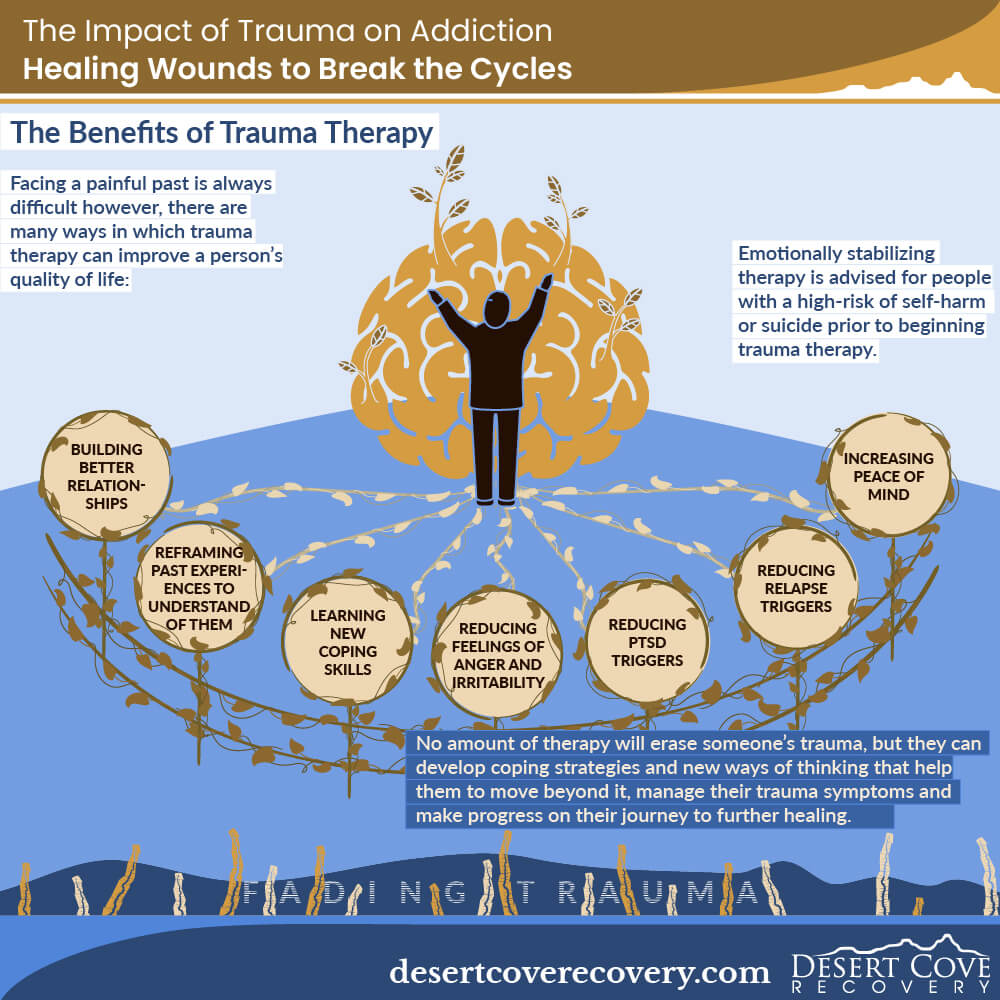
Both EMDR and ART acknowledge that trauma lives in the body as high as the mind. Traumatic memories commonly show up as physical sensations-- tightness in the breast, nausea, muscle tension-- that continue even when the original danger has actually passed. Reliable trauma treatment addresses these somatic components as opposed to focusing specifically on ideas and emotions.
During EMDR processing, customers track physical feelings as memories change. Tension could initially increase prior to launching, or brand-new sensations may become handling continues. Specialists guide interest to these body experiences, allowing them to inform and advance the reprocessing job. The body check stage specifically makes sure that no residual physical holding patterns stay after cognitive and emotional processing completes.
This somatic recognition verifies specifically vital for intricate injury, where hypervigilance and physical sensitivity come to be deep-rooted survival reactions. Discovering to track and launch body-based injury reactions aids customers recover a sense of security and visibility that trauma had stolen.
Picking Between EMDR and ART for Your Requirements
Both EMDR and ART offer powerful injury therapy, but particular variables could make one preferable for your certain scenario. EMDR's comprehensive research base and eight-phase structure attract people that value thoroughly verified techniques and value clearly defined therapy procedures. The method's flexibility enables adjustment for complex injury, accessory injuries, and recurring tight spots.
ART's fast results make it excellent for single-incident trauma, particular anxieties, or situations calling for fast resolution. The privacy paid for by marginal verbal disclosure benefits some customers, while others may miss out on the processing that originates from speaking through experiences. Some specialists incorporate both strategies, making use of ART for discrete memories and EMDR for even more complex discussions.
What to Get Out Of Trauma-Focused Treatment
Beginning EMDR or ART requires preparedness to engage with excruciating memories, also as the handling itself lowers their influence. Initial sessions concentrate on structure sources and ensuring sufficient coping skills exist for handling possible distress. Quality trauma therapists never rush into processing before developing safety and stablizing.
The experience of reciprocal excitement differs-- some people hardly see eye movements or faucets, while others find them at first unusual or disruptive. A lot of clients adapt rapidly, and the bilateral part soon discolors into history recognition as processing takes spotlight. In between sessions, brand-new insights, memories, or emotions might emerge as the brain continues incorporating product.
Progression does not always adhere to a direct path. Some sessions generate dramatic shifts while others feel slower or a lot more hard. Trusting the process and maintaining commitment via differing experiences enables the complete benefit of these techniques to arise. Follow-up sessions examine whether handling holds and resolve any remaining targets or brand-new material that surfaces.
Finding Certified EMDR and ART Specialists
Not all therapists offering EMDR or ART have equal training or experience. Fundamental EMDR training calls for completion of approved programs, yet extra appointment, advanced training, and oversaw method separate proficient experts from genuinely proficient ones. Try to find therapists accredited by EMDR International Organization (EMDRIA) or who have actually finished comprehensive supervised hours beyond basic training.
For ART, certification requires certain training in the protocol and supervised practice. The therapy's loved one newness compared to EMDR implies less professionals supply it, but expanding research study assistance proceeds increasing schedule. Specialized methods like Strength Now often concentrate particularly on trauma-informed modalities, ensuring staff knowledge in these techniques.
Throughout examinations, ask about certain training, years of exercise with the modality, and kinds of injury usually dealt with. A specialist's convenience and self-confidence with the method matters considerably-- effective EMDR and ART require flexibility to adjust methods while preserving fidelity to core principles. The ideal match integrates technological knowledge with the relational abilities that make all treatment reliable.

Table of Contents
- – Recognizing EMDR Therapy: Just How It Functions
- – The Eight Phases of EMDR Therapy
- – Sylvia Lagosky
- – Accelerated Resolution Treatment: Fast-Track I...
- – EMDR Intensives: Concentrated Recovery in Comp...
- – Treating Anxiousness with EMDR and ART
- – Somatic Parts of Trauma-Focused Therapy
- – Picking Between EMDR and ART for Your Requirem...
- – What to Get Out Of Trauma-Focused Treatment
- – Finding Certified EMDR and ART Specialists
Latest Posts
What Real Body-Based Therapy Really Addresses
Typical Teen Emotional Concerns
Why Choose Certified Specialists trained in Family Relationships for Your Wellbeing
More
Latest Posts
What Real Body-Based Therapy Really Addresses
Typical Teen Emotional Concerns
Why Choose Certified Specialists trained in Family Relationships for Your Wellbeing